Up next in 10

Tug Boat
Show More Show Less View Video Transcript
0:00
Well, hey there! I'm Paula Deen, and today I'm going to take you up the river with some down-home country cooking
0:06
First, I'm going to show you the secret to making the most mouth-watering, barbecued short ribs you ever tasted without the barbecue
0:14
And then I'm going to pass on to you the secret to the most tempting turnip tree your tongue ever met
0:20
I think even my fatherly friend Hank will agree they're divine. And then next, I'll give you a twist on a rice dish that gives your grain that extra something
0:29
And finally, there's a lace hoe cake cornbread that travels anywhere you want to take it
0:33
So all aboard who's coming aboard, it's tugboat time. The strength of our city here in Savannah is definitely the river
1:13
And the strength on the river is our tugboats. And who drives these tugboats
1:19
Big, hungry, burly men. We're going to see today what they like to eat
1:24
And I've heard that rutabagas is one of their favorite food, So that's what we're going to go find out about today
1:31
So come along with me, and we're going to have a great time. My friend Becky has a produce stand, but she was all out of rutabagas today
1:39
so she's brought me to where she buys her produce. All right, Becky, put me on the rutabagas
1:44
Here we are, Paula. Mr. Rogers has got some beautiful greens here
1:48
I've been buying from him for years. What is a rutabaga, Becky? It's a turnip, and when you cook the leaves
1:54
it's like a cross between a cabbage and a turnip. I have to confess, I've never cooked a top before
1:59
You need to do that. Well, can you describe the taste of a rutabaga, Becky
2:04
To me, it's a turnip, and it's got a milder taste than a turnip
2:09
The texture's almost the same as a turnip root. But it seems you eat the rutabaga bottoms more by themselves
2:14
than you do the turnip roots by themselves because they're milder. You know, the flavor of a rutabaga is very, very hard to describe
2:20
So what I'm going to do is just take these fresh rutabagas to the house
2:24
and make Michael's very favorite dish, tugboat turnips. And then I'm going to try to describe them to you
2:31
You ready, Batch? I'm ready. Here we go. We got a lamp full of greens
2:41
What a fun time I had at the rutabaga farm. But to start our meal today, I hear that those men love short ribs
2:48
So that's what we're going to do today. we're going to do a pot of hot, juicy, barbecued short ribs
2:54
And we're going to start by t some of the fat off, which I've already done, and I'm going to put it in this pot
3:00
And you can see this is a hot pot. I'm just going to render some of the grease from that fat
3:07
And see how just that little bit of fat is oiling the bottom of our pot
3:12
which this will keep our short ribs from sticking when we start browning them
3:16
We're just gonna salt those short ribs and throw them into that hot skillet
3:22
and sear them up real good. You know, I think I'm with those men
3:29
I'm a beef girl, and I think these are just gonna be
3:33
out of this world good. My boyfriend, Michael, was a captain on one of these tugboats
3:40
for years before he became a docking pilot. and when he went and applied for the job
3:48
he couldn't believe it when they told him that they were going to feed him as well as pay him
3:55
He was so excited. He said, well, that job is for me. He said, they ate like kings
4:01
They had one cook assigned to each tug and they got there early, early in the morning
4:06
and they prepared three full, full meals for these men. So that was really a bonus
4:13
because the work is hard. And we're just gonna turn these around
4:19
and just make sure they're browned nicely on all sides. You know, men just love beef
4:25
Meat and taters, it's hard to beat. Our ribs are nicely browned now
4:30
so we're gonna take those out, and we're gonna add all the ingredients
4:34
that's gonna make these clump little bones barbecue. To make our barbecue sauce
4:42
is very simple. We're simply going to put some ketchup, about a half a cup
4:49
about a quarter of a cup of brown sugar, a tablespoon of Dijon mustard
5:00
about a quarter of a cup of water, a little bit of lemon juice a few shakes of Worcestershire A little bit of onion
5:21
Doesn't that look yummy? And we're just going to nestle these short ribs down in that sauce
5:28
down in that sauce. I think that'll make a hungry man happy
5:34
What about you? All we do now is put our lid on
5:38
We're gonna turn it down on low and let it cook for about two hours
5:43
Now I have a second batch here all ready to go. So let me show y'all how I put it on my platter
5:48
I'm gonna reach down in this pot and I'm gonna go for the barbecue sauce
5:53
that's down in the bottom. and just ladle over our short ribs
6:02
I'm not even gonna garnish this platter because I can tell you right now
6:06
those men ain't parsley eaters. They say the way to a man's heart is through his stomach
6:17
and I think we're gonna get our man today. Stay tuned because next we're doing tugboat turnips
6:28
As I promised y'all, we're fixing to start cooking our rutabaga now
6:45
And I want to show you what it looks like. It looks very much like a turnip
6:51
And it's waxed and it's hard as a brick bat. So you may want to have your captain around, girls, on the day that you're serving rutabaga
7:02
The easiest way to do this is to take your knife and peel it like this
7:09
I want to tell you all how I came about this recipe. Michael's brother, Hank, before he decided to go into the priesthood
7:17
was the cook on his tugboat that Michael was the captain of
7:21
And this was one of the favorite dishes that he prepared the men
7:25
And Hank and I both love to talk about food, and we both love to eat
7:30
And one day he was telling me about the tugboat turnip. So it was great fun to find out another way to cook the rutabaga
7:39
But as you can see, this is a very, very hard vegetable, and you'll want to handle it with great care that you don't cut yourself
7:49
I've got some already cut up here and ready for the pot. But all we're going to do now is take our rutabagas that have been cut up
7:59
We're going to put them in the pot along with our carrots
8:06
And we're just going to cover the tops of them with water
8:10
We're going to put just a little bit of salt in, not too much
8:23
And we're just going to cover the pot, and we're going to let those cook until they're tender
8:28
And the next dish we're going to prepare is rice and roni
8:32
And this is another one of Hank's favorite recipes. So every time I have rice, I think of Hank
8:38
Now we're going to start with just a vermicelli pasta, which is our roni, and we're going to
8:45
just break it up. I started with just a couple of tablespoons of oil, and we're just going to toss that around
8:53
until it's light brown. We don't want to burn it, we don't want to get it too, too dark
8:59
By browning our pasta, it's going to bring out a very nutty flavor in it, giving you
9:03
a whole different taste from pasta that you would boil in water
9:07
Let's turn in a nice toasty brown, so we're going to add our rice
9:11
and brown that a little bit. And browning that rice is also going to give it a nutty flavor as well
9:21
And you can see this pasta's just wanting to jump out of the pot. All right, now we're going to add an onion
9:29
fresh parsley, and two cups of chicken broth. All we have to do is put our lid on, turn our fire down, and cook it for about 20 minutes
9:46
So now I'm going to just drain my rutabagas. We want to get all of that water out of them, so we're going to give them a good shake
9:55
And then we're going to put them into our bowl. And we're just going to take a standard potato masher and just give them a little mash
10:05
Now, we don't want these smooth. We want them a little, a little texturey
10:11
And you can see they're real tender, so they're not gonna require a lot of mashing
10:17
And the difference now between my rutabaga and Hank is we going with brown sugar because the brown sugar is what makes a tugboat turnip A stick of butter You can see why these men and I
10:33
get along well, don't you? These guys on these tugboats work so very hard, because these
10:40
tugboats are responsible for docking these tremendous ships that come in. They work with
10:46
tremendous ropes that are huge. So when meal time comes around, these guys are starving
10:56
Doesn't it have the pretty fall colors? Kind of makes me think of Halloween
11:03
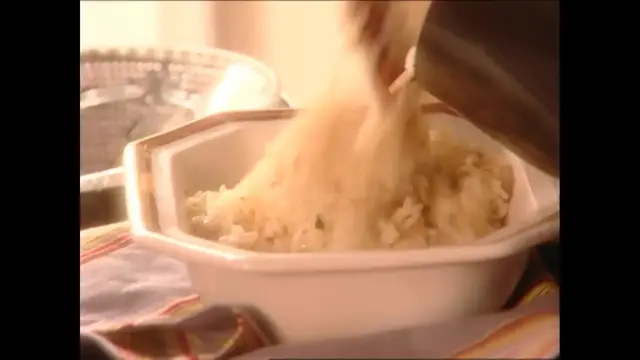
I wish you were here. They're out of this world. Let's go check on our rice and roni now
11:11
It's done and all we have to do is fluff the rice. Look how delicious the browned pasta
11:21
looks in it. I don't think there's a way that you can mess this dish up except not having
11:29
your measurements on your liquid correct. It's very important that you have just enough
11:34
water for your rice and your roni. I use just a regular long grain white rice. My favorite
11:43
rice, the rice that I always use, is a rather inexpensive rice. You can buy rices that are
11:49
pricier, but to me the cheaper the rice almost the better it is. Now if you wanted to, you
11:58
You could drizzle it with butter, but this is so delicious like this, I don't even think we need it
12:05
And when we come back now, I'm gonna be making my daddy's very favorite bread
12:10
in the whole wide world, and that's Lace Hoe Cake Cornbread. So stick around, cause you're in for a treat
12:28
As I promised, I'm going to share with y'all my mother's way of cooking my daddy's favorite
12:36
cornbread in the whole wide world, and that's lace hoe cakes. And in order to do that, you've got to have the proper pan
12:43
And you can see it's got just a small little rise on the edges
12:49
And it's very important that this pan be very well seasoned, because there is an art to
12:54
making lace hoe cakes, and it can be tricky, but I'm going to try to help you to make the
12:59
perfect lace hoe cake. And we're going to start by heating our pan. It's very important
13:04
that we have a hot pan. We're going to spray it first with a nonstick spray. They're called
13:12
hoe cakes because years and years ago, these were cooked out in the open field over an
13:18
open fire on a hoe. Now we're starting with just plain cornmeal. You'll want to find a
13:27
fine ground meal, because these shouldn't be gritty. We're going to start with our meal
13:34
and a little salt and water, lots and lots of water. This is definitely a poor man's bread
13:48
It's just pennies a serving, and you can see how liquidy that is
13:53
And we're just going to stir this until the lumps are gone, and we're going to let it sit for a couple of minutes
13:59
because after that water incorporates with that meal, it can puff up and become thick on you
14:06
So the most important thing about cooking a hoe cake is your beginning batter
14:12
and you want it nice and thin. It's almost watery, And I can smell our hoe cake pan getting hot
14:22
Can you see how nice and thin that is? I mean, it pours truly like water
14:29
And you can see that your cornmeal will settle to the bottom
14:34
You can see that I've ran my spoon down here and have found my cornmeal laying in the bottom of the bowl
14:43
So you'll want to constantly be given that stirs. and now we're going to add a little oil
14:50
because these will stick so easily you won't believe. And as you can see, our pan is nice and hot
14:59
My mother made these hoe cakes twice a day every day. I think probably my mother and daddy's
15:06
very special and favorite time together was at lunch when my brother Bubba and I were away at school
15:12
And she started off their lunch hour by serving him a delicious lunch
15:23
And the bread every meal with hoe cakes. And you can see that we gotten our pan good and hot and it already beginning to lace around the edges for us I know my mother and daddy just hated the days that I messed up their lunch hour that they so look forward
15:47
to together. This delicate bread just brings back all kind of memories for me. I can see
15:54
my beautiful mother standing up at the stove, cooking these for the family. And I'm even
16:00
using my grandmother's hoe cake turner, and it's dated 1945. So this is a very, very special time
16:09
for me, and I'm so glad that y'all are here to share it with me. And we're just going to kind
16:13
of run our spatula up underneath there so that the grease can get up under it and it won't stick on us
16:24
This is my cousin Don's pan. At some point, I even lost contact with my mother's hoe cake pan, which makes me very sad
16:35
All right, I'm going to show you a trick now on how to turn these hoe cakes. I'm going to take just a regular dinner plate
16:46
And I'm going to run it just under the water. And I'm going to cover our hoe cake pan
16:52
and then we're going to very carefully flip our hoe cake pan over
17:03
We're going to give our pan another quick spray and another squirt of oil
17:10
and then we're going to just slide that hoe cake back into our pan
17:17
The water on the plate allows it to just slide very easily off
17:24
I can't tell you how this cornbread just does something to the meal that a biscuit can't do
17:33
You know, there's just nothing like a big chunk of buttered lace hoe cake
17:38
And at the end of our meal, we would pass the syrup, and it would be our dessert as well
17:44
Now that we've flipped it that first time, it's easy enough to take your spatula and flip it back and forth
17:52
But that very first time, you really are going to need the help of a dampened plate
17:57
All right, we're just going to take this one off, and we'll just repeat the process
18:04
And you might not think that you'll need to grease your pan every time
18:08
but trust me, you really will because they'll stick so badly on you if you don't
18:14
and that's about the biggest problem that you're going to have when you're making your hoe cakes
18:19
And you can see this batter is starting to get thick on me. So I'm going to control the thickness of this hoe cake
18:27
by the way I dip up my batter. While you take a break, I'm going to finish hoe cakes
18:39
and when we come back, we're going to have that tugboat meal of the year
18:42
So don't miss it. Before I leave y'all today
19:01
I want to talk just a little bit more about these hoe cakes. I'm really, really hoping that y'all will try these at home
19:07
because they're so out-of-this-world delicious. but there is a couple of little things that you must remember
19:14
If you can't find a hoe cake pan, you can always use just a regular black cast iron skillet
19:21
and drop them in little individual patties or cakes. So don't let the pan stop you
19:29
And always remember to spray your pan every time you drop your hoe cakes in
19:35
with a little nonstick spray and add a little oil with each cooking
19:39
and I promise you it will be worth it. There is an art to making these hoe cakes
19:45
but it won't take you long to pick it up. All you need is just a little practice
19:50
Please promise me that you'll give them at least one try because you'll be in for the treat of your life
19:59
I think you can understand now why the men working on these tugboats
20:02
felt like they got a bonus with all this wonderful food that was cooked for them
20:06
the tugboat turnips, the hoe cake cornbread. the barbecued short ribs, and the rice and roni
20:13
And now it's time for me to take this man-sized meal down to the men that I cooked it for
20:19
Until next time, America, best dishes from my kitchen to yours. Thank you
Food & Drink